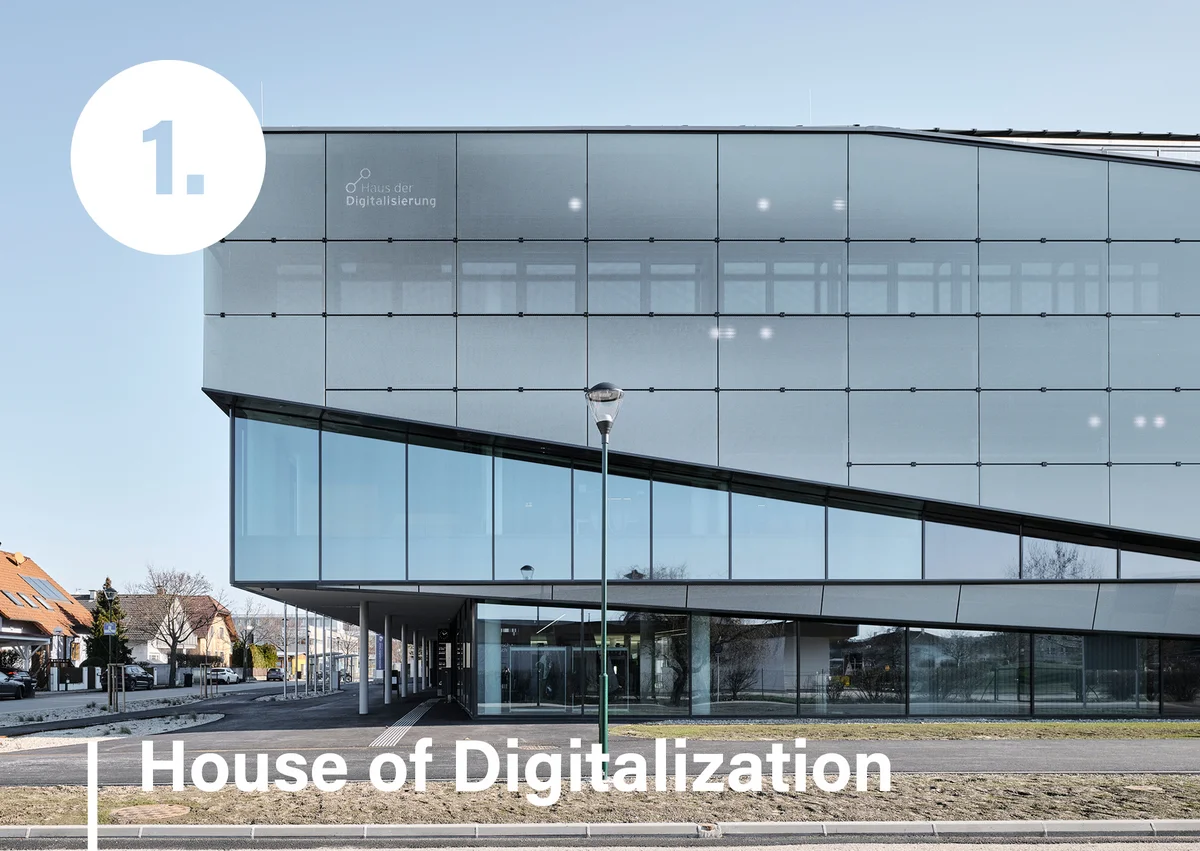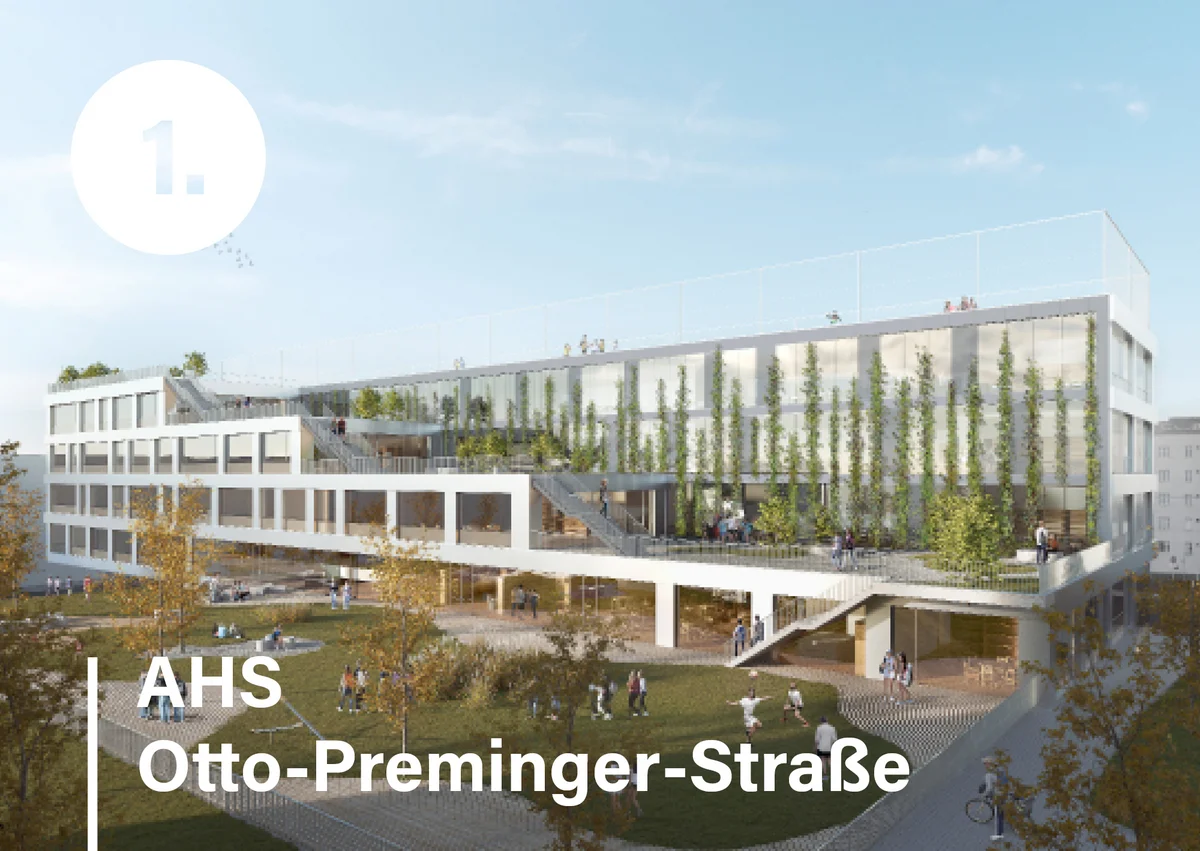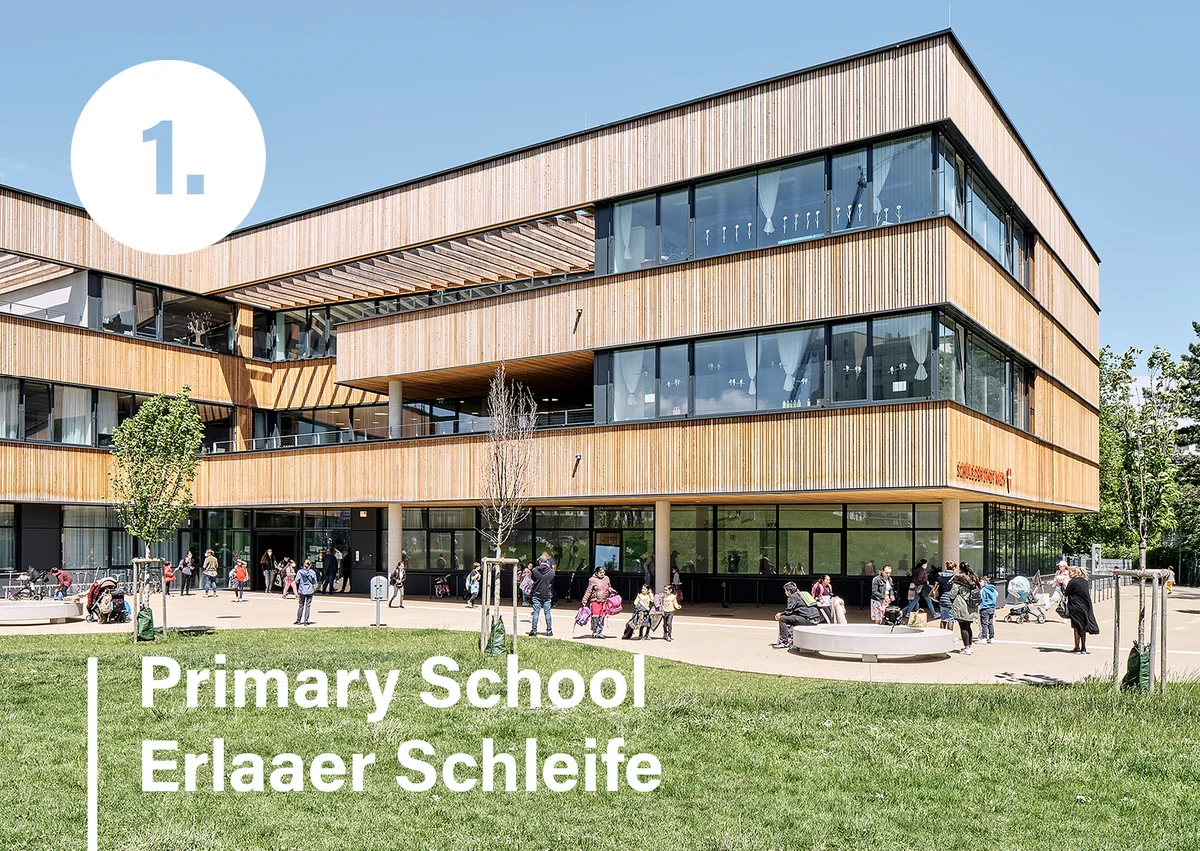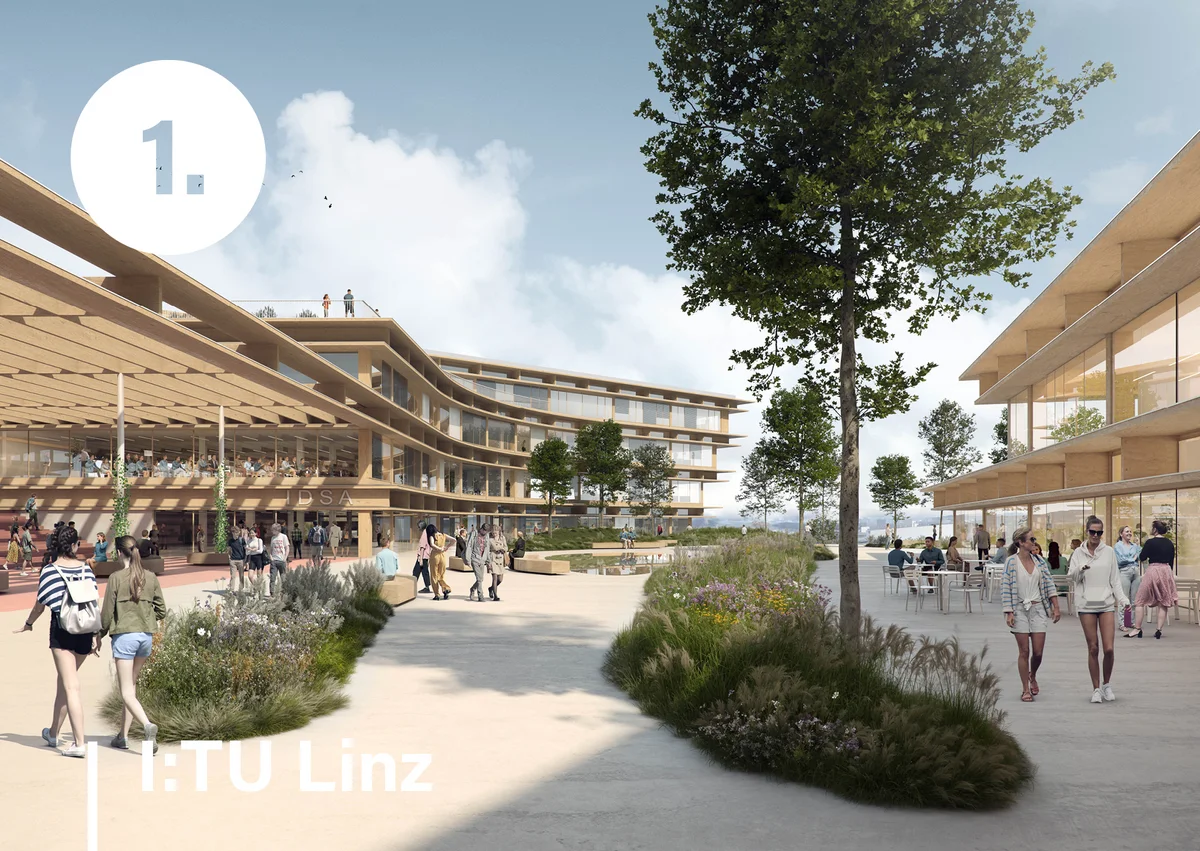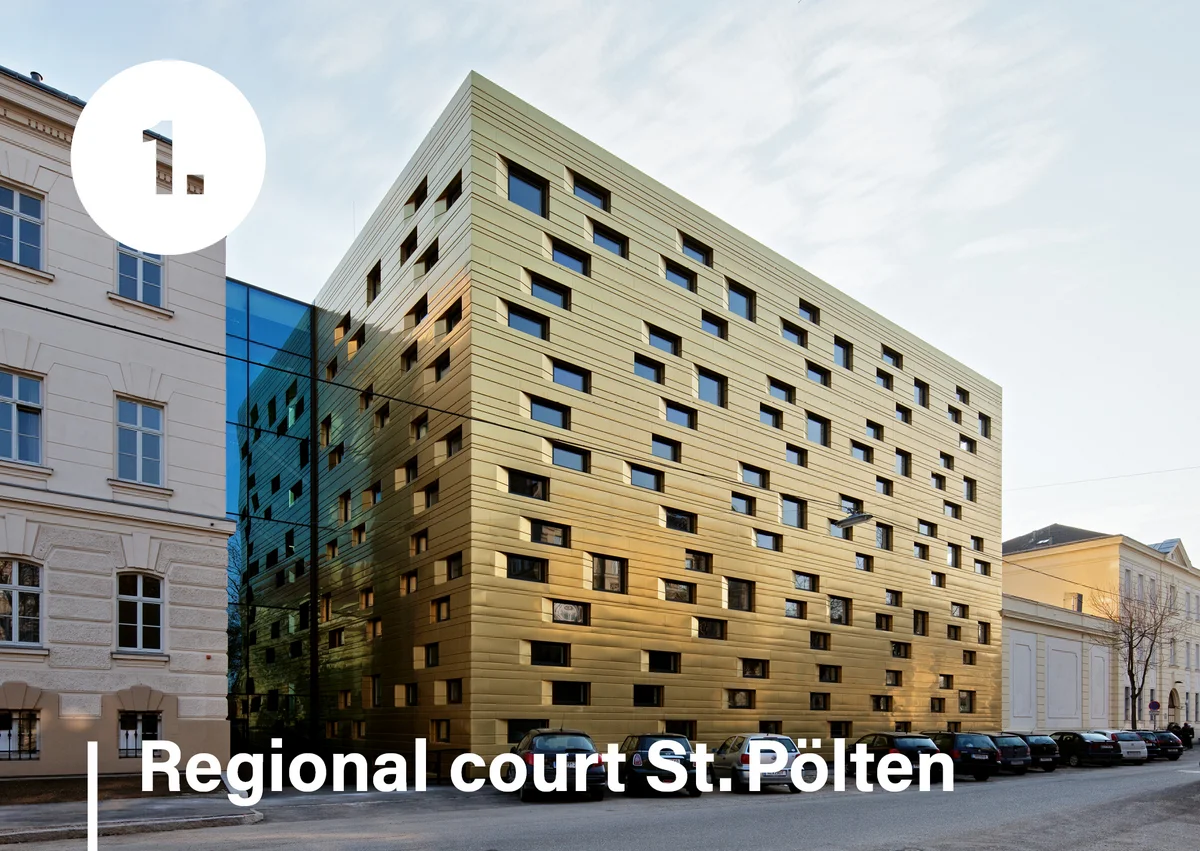



Competitions are not merely a tool for acquiring commissions for KMA. They are a space of debate in which we negotiate fundamental questions of architecture and the city. Each task requires a precise reading of what already exists, rather than prefabricated answers. In competitions, we seek the constellations that sustain the design process—scale, history, topography, social structures. We understand architecture not as an isolated object, but as part of a field of relationships. For us, designing means making connections visible and creating new relations. This process remains open; it is both analytical and atmospheric, addressing function as much as perception. The competition model is our laboratory and point of departure. Here, ideas are distilled, variations tested, positions sharpened. Winning a competition does not mark an end for us, but a beginning: the start of a realization that carries the guiding thread from the first study to the built detail.
Department Management
Martin Belkovsky
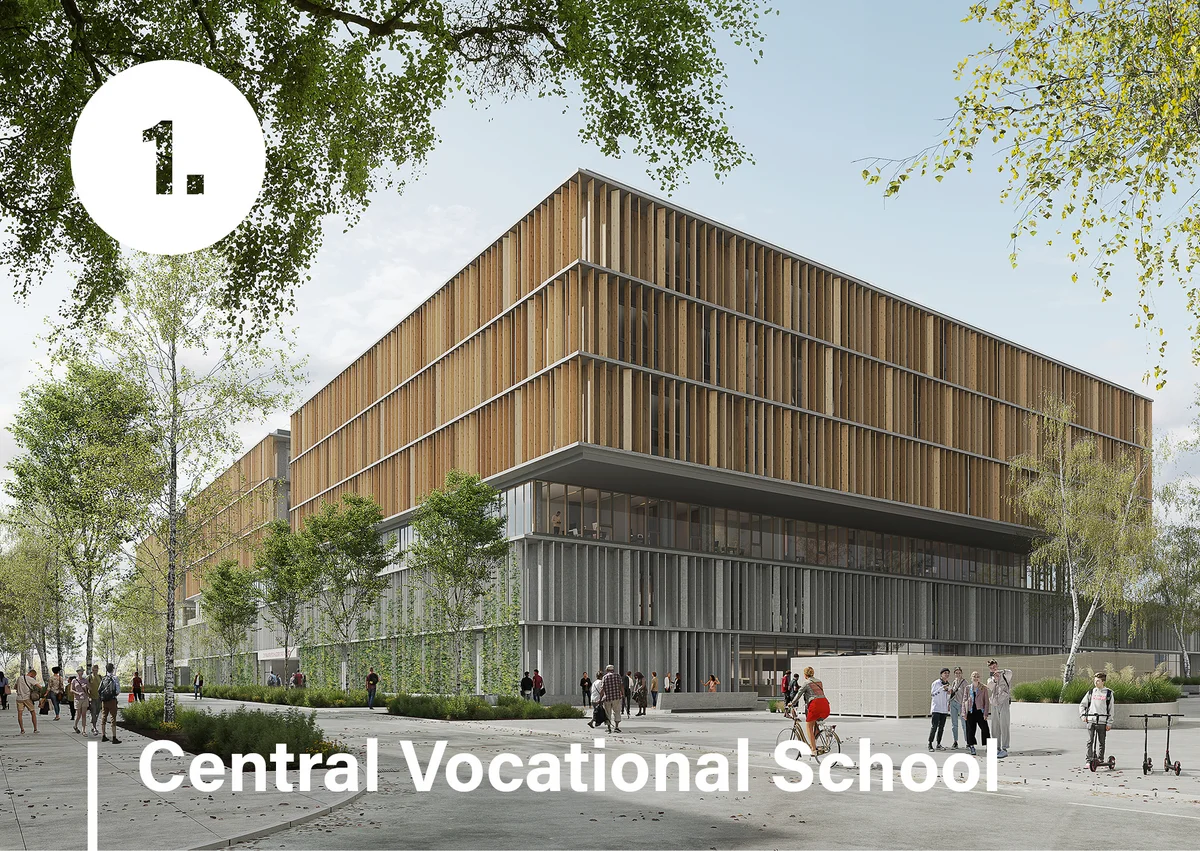
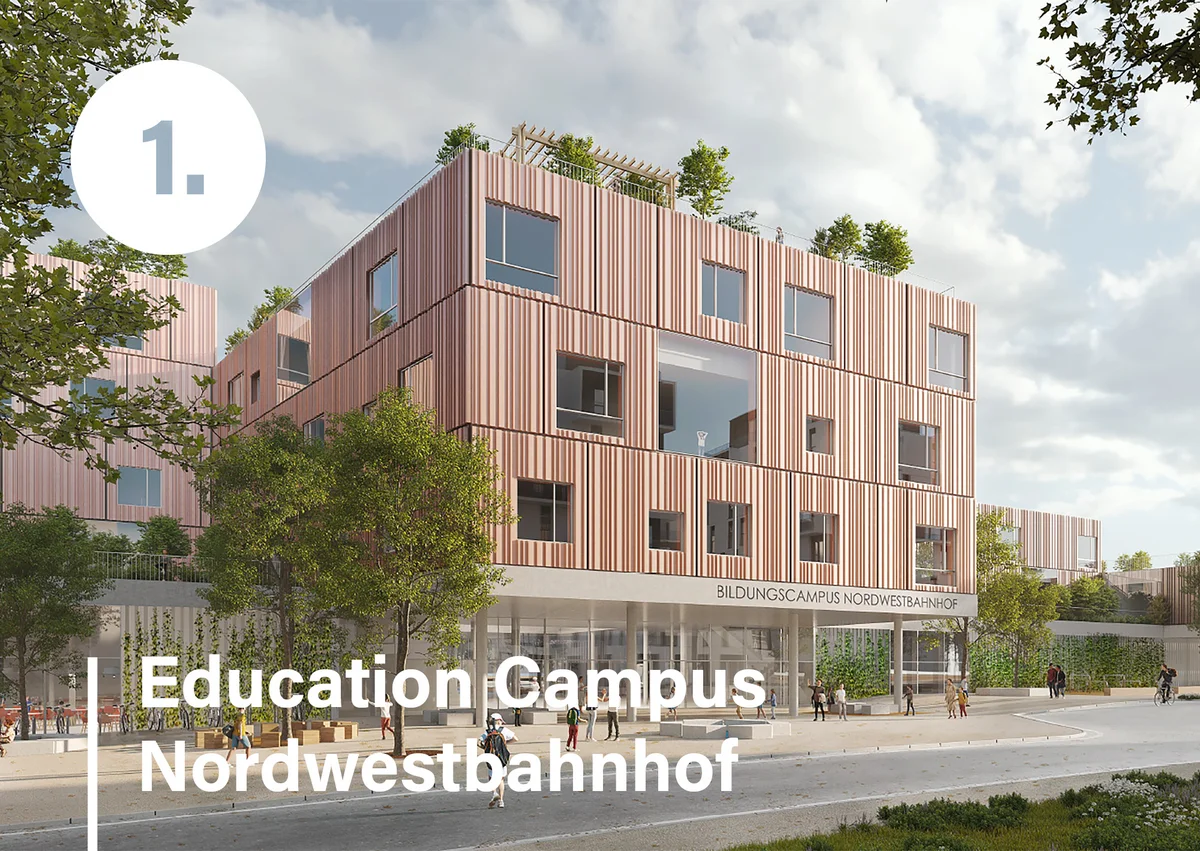
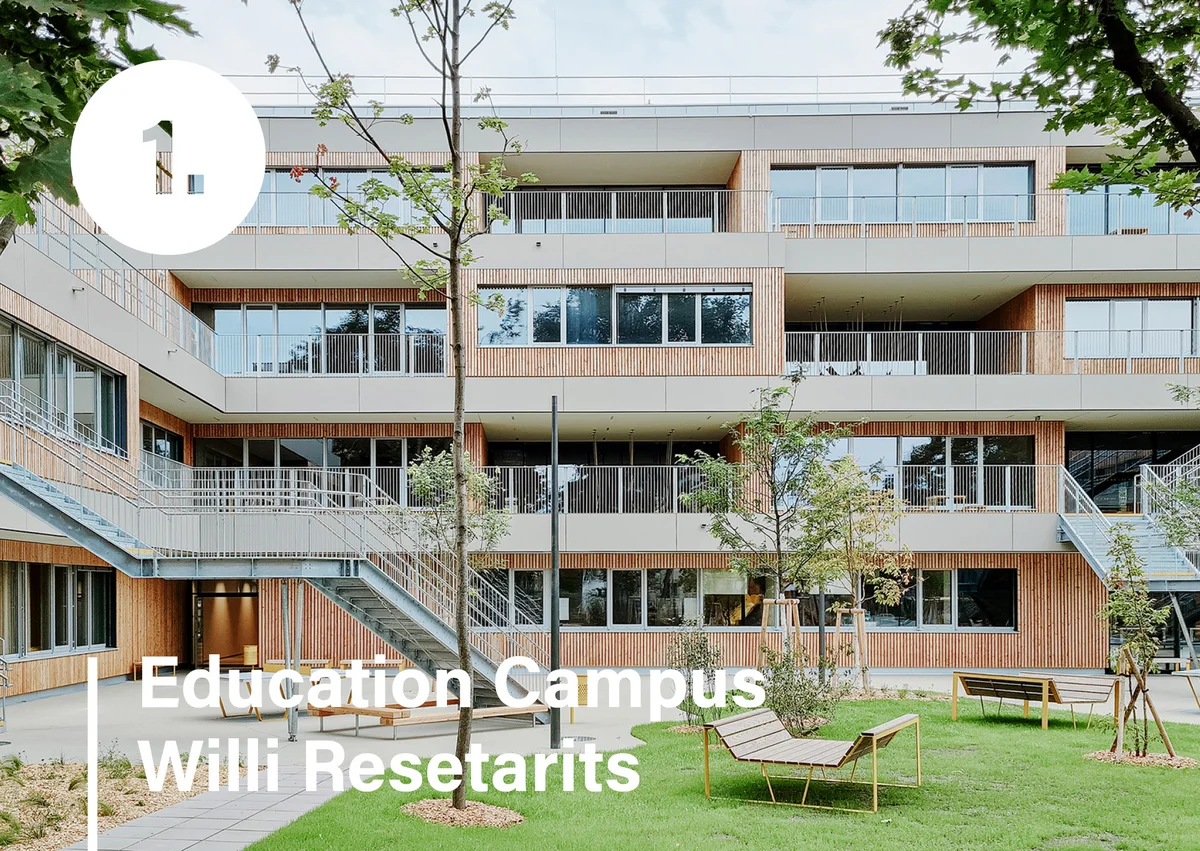
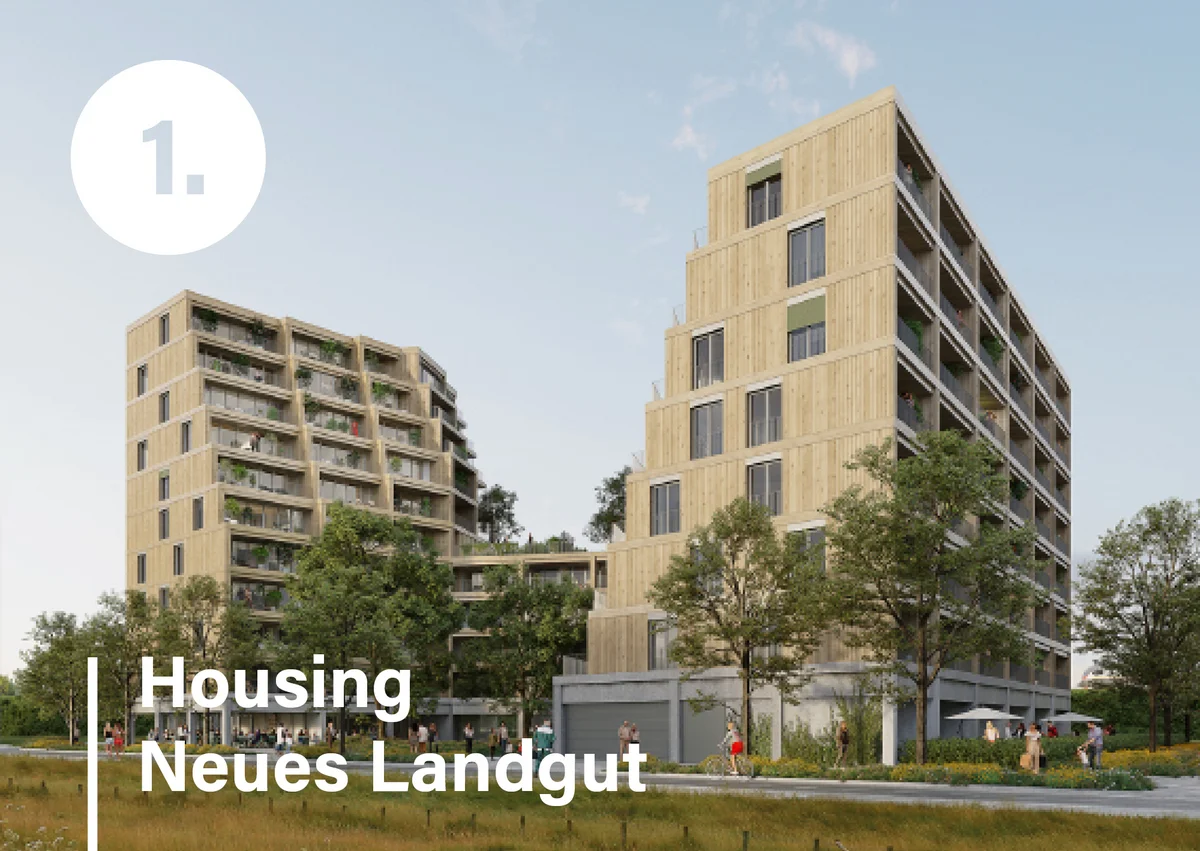
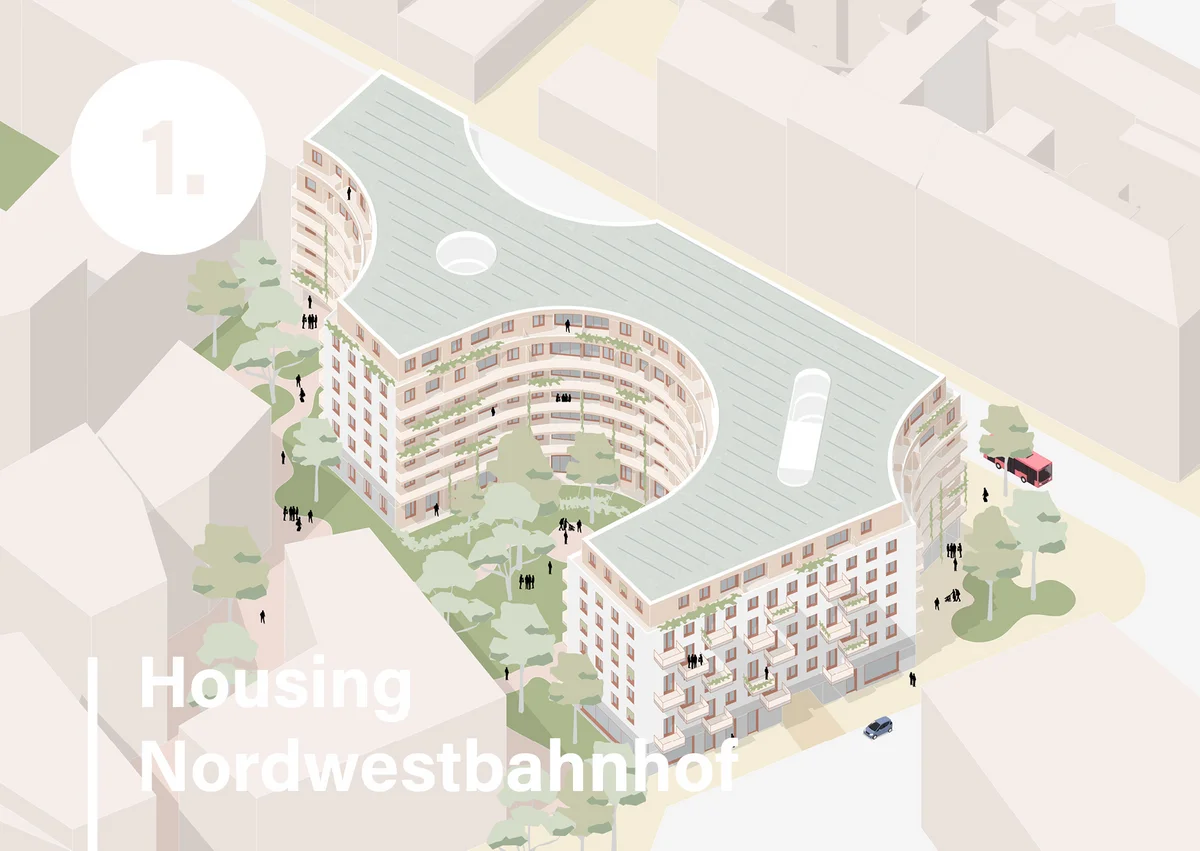
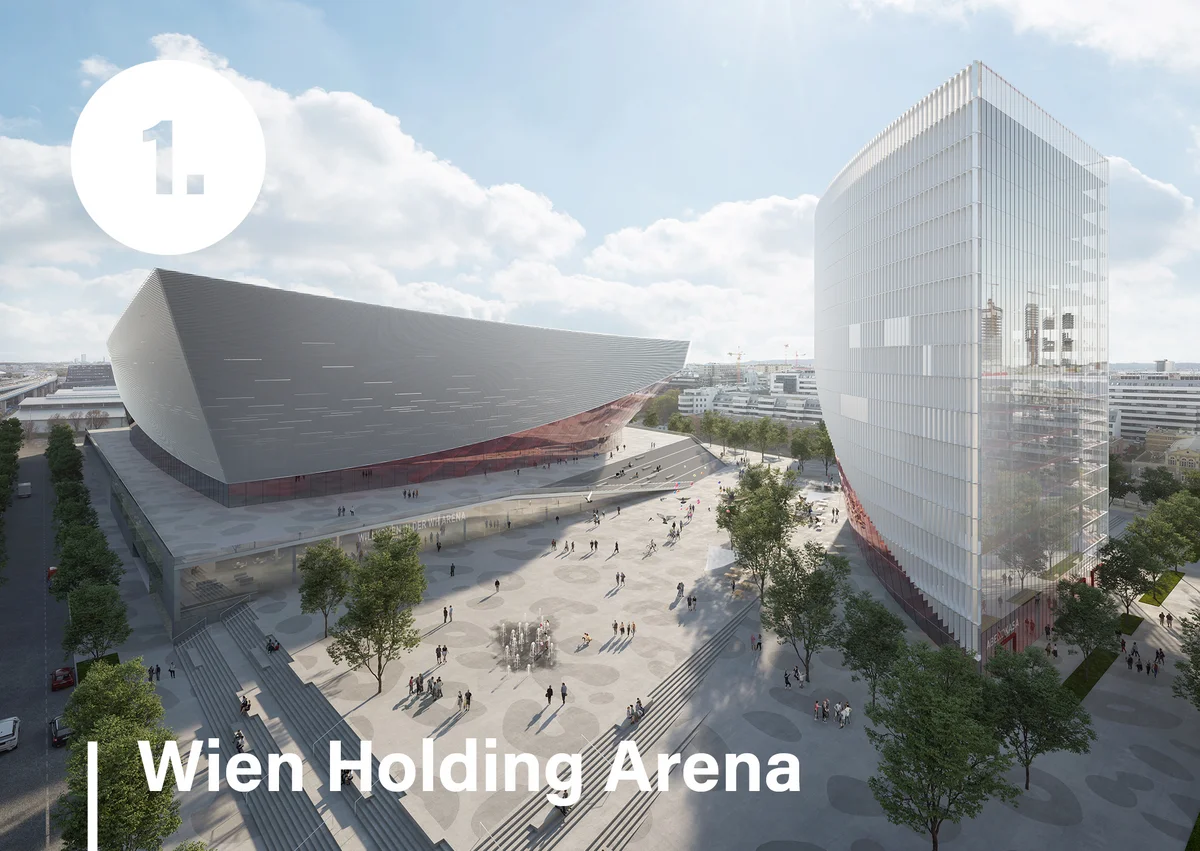
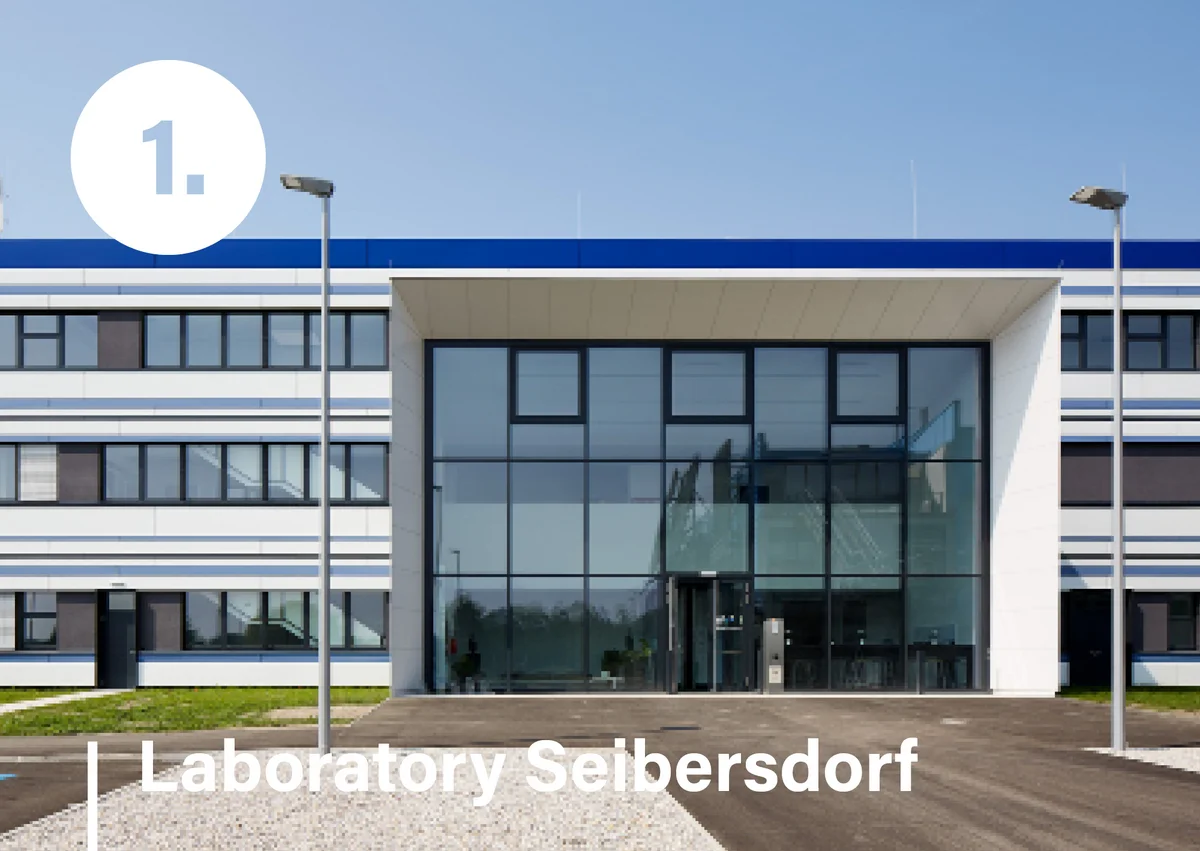
Selected Competition Entries
competionline.com
Competition Statistics (2021–2025)
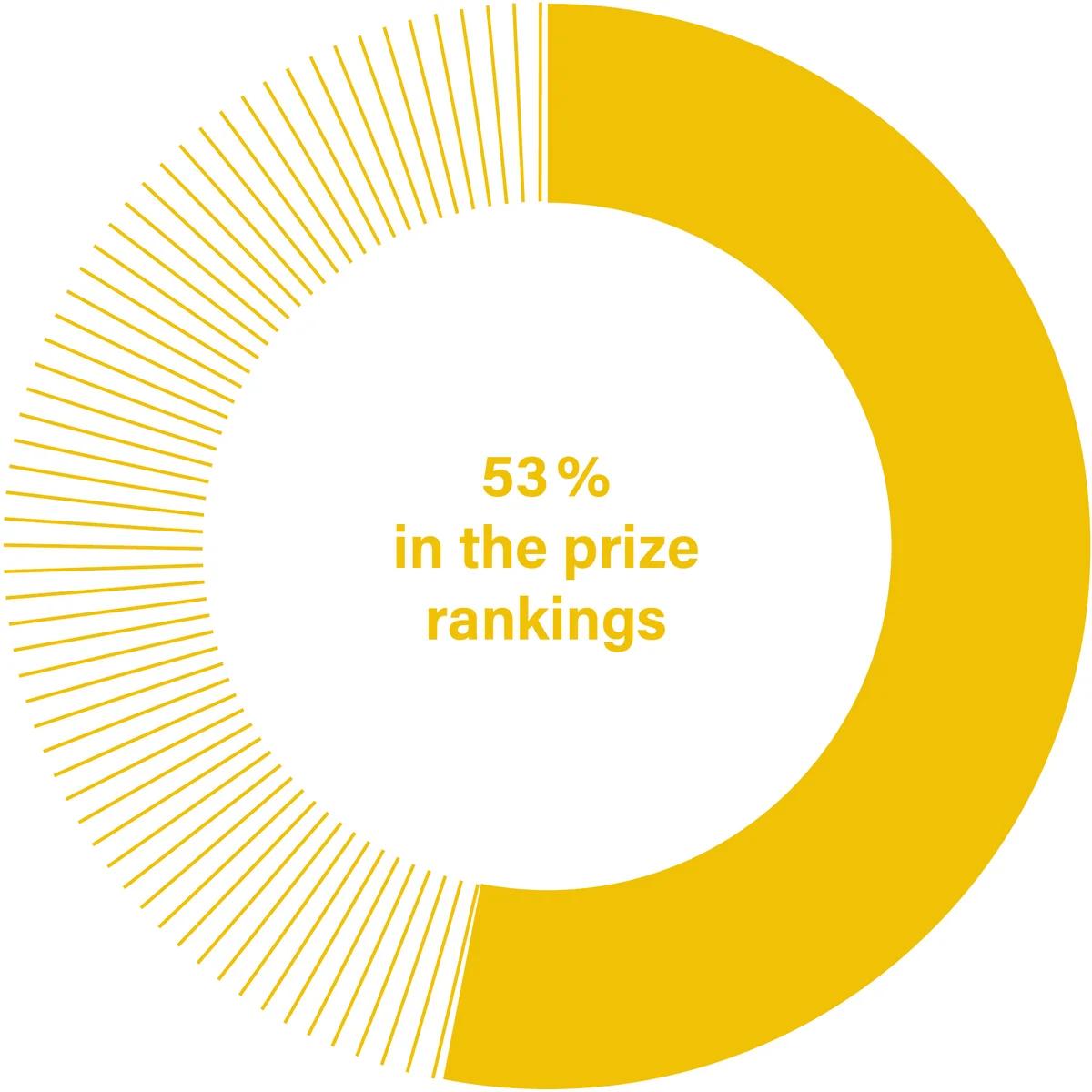
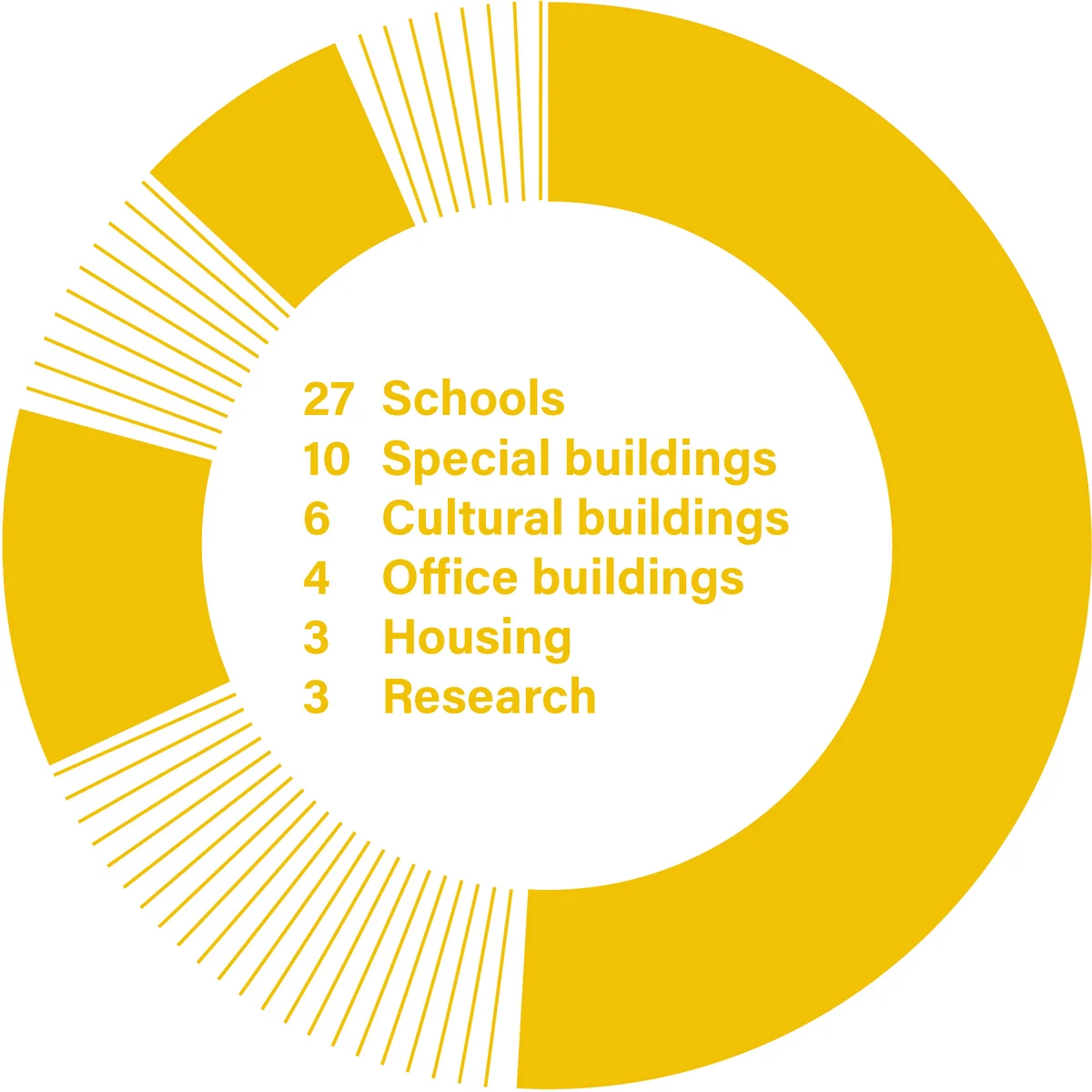
53 Competitions, 11 Competitions Won, One in Five Competitions Won, 28 Times Among the Price Ranks
Photos
Kronaus Mitterer Architekten, David Schreyer, janousekhavlicek.cz, expressiv.at
Contextual Design
Our work begins with an analysis of the site. Architecture does not emerge in a vacuum but in dialogue with what is already there. Urban integration, topographical features, historical layers, and social structures form the starting point of our design process. For us, a competition is not a stage for abstract concepts but an opportunity to develop precise responses derived from the context.
This is not about conformity to what exists, but about advancement. The site is not a static entity but a network of relationships that can be reorganized through architecture. Designing, for us, means recognizing these connections and making them productive.
In competitions, we look for structures that do not impose rigidity but enable openness. In this way, architecture emerges that responds while maintaining its own distinct identity.
“Architecture emerges in dialogue with the site—out of its history, topography, and social structure. In competitions, we do not seek abstract ideas, but precise responses drawn from the context.”
2021–2025
2021–2025
53 competition entries
28 times among the prize ranks (53%)
11 competitions won
We win every fifth competition.
Architecture as Relation
Our understanding of architecture increasingly dissolves the rigid boundaries between inside and outside, building and landscape. A house can be part of a landscape, and a landscape can be read architecturally. For us, space is not a closed object but a network of relationships. Architecture is shaped by perception, movement, and memory, and in this sense remains open. Neighborhood, therefore, means not only spatial proximity but the sharing of connections and atmospheres.
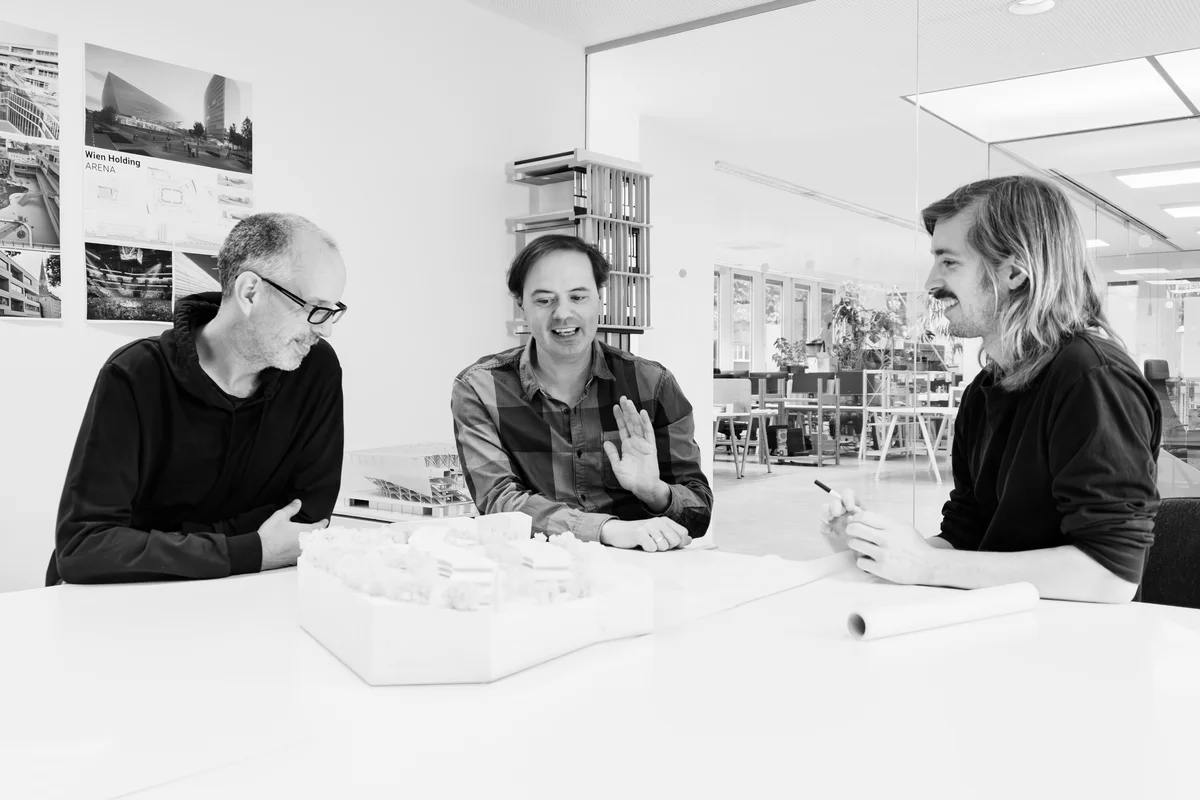
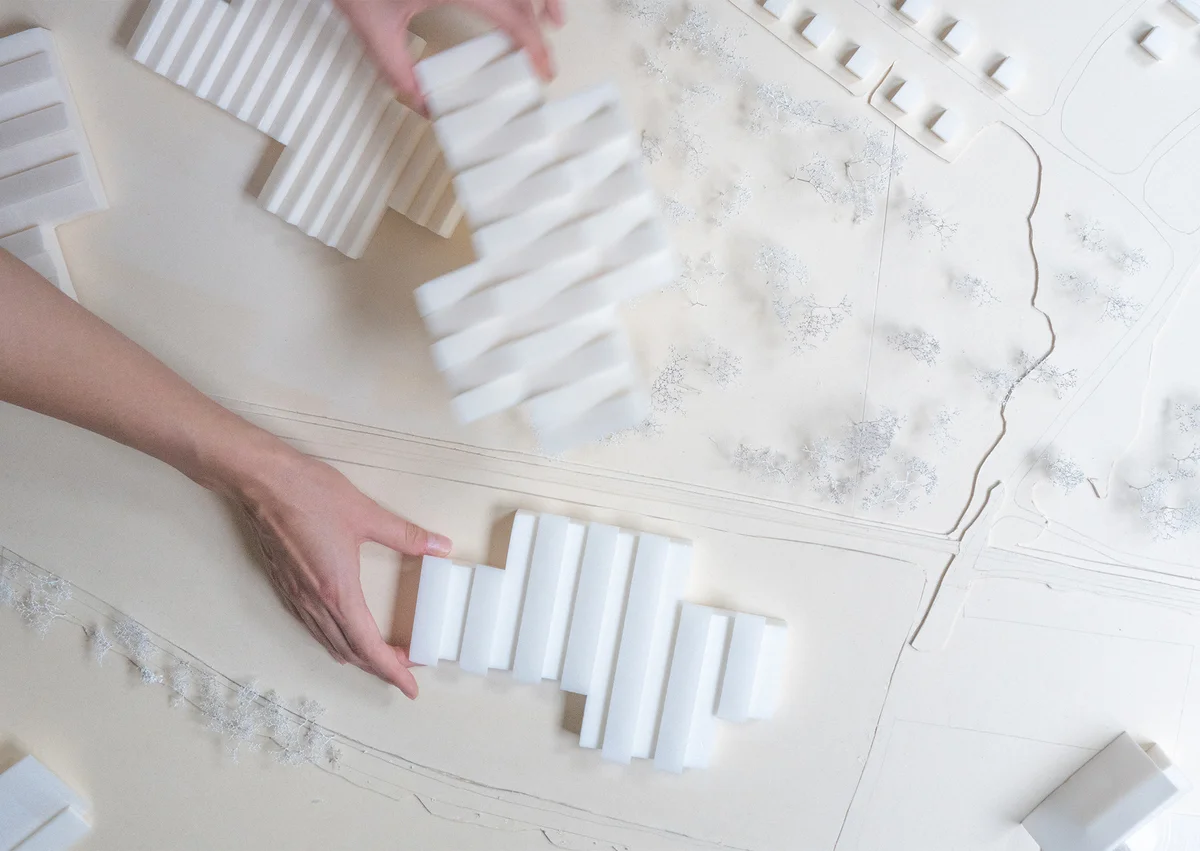
This approach also shapes the way we work. In competitions, we study variants using physical models, because proportions and transitions can be tested directly there. Decisions emerge through experimentation, not through preconceived images. At the same time, we develop digital workflows that allow us to handle complex tasks efficiently and in many iterations. We understand analog and digital work not as opposites but as complements. In the interplay of these two perspectives, a process emerges that remains precise while staying open to new possibilities.
“The human being is at the center of our design practice. Space emerges through movement, through shifting perspectives, through everyday life. Architecture becomes both stage and grandstand. It is a place and catalyst for social negotiation.”
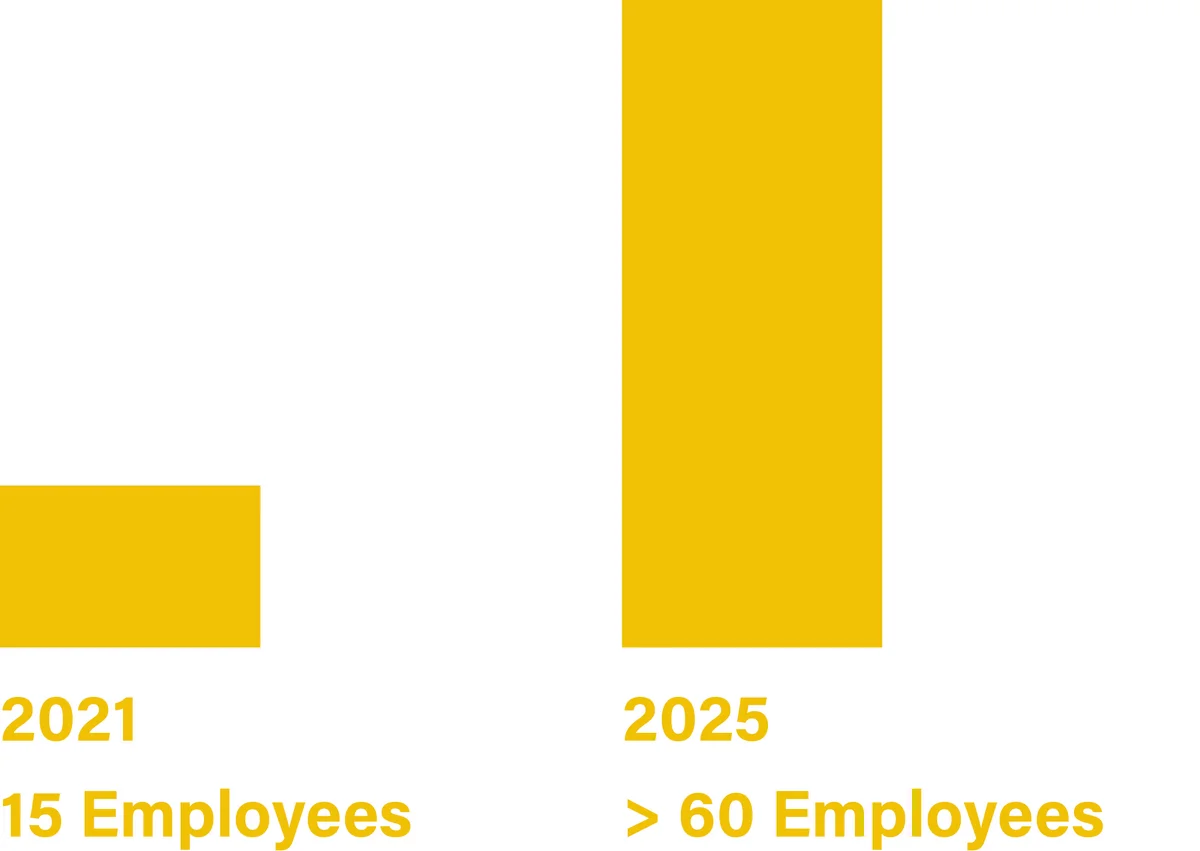
Growth Through Competition Success
Our team of over 60 employees from 15 nations combines diversity, creativity, and a shared passion for architecture. We do not see competitions as individual achievements but as a collective design process—supported by an open, interdisciplinary culture in which ideas emerge through dialogue and continue to grow.
The Competition as Point of Departure
For us, winning a competition is not the goal but the beginning of a longer process. With the jury’s decision, a space opens up in which ideas can be further developed and transformed into built reality. We design in order to build and assume responsibility through to completion—including in the role of general planner.
Our working method combines clear structures with an open, collaborative process. Decisions arise in dialogue with clients, specialist planners, and users. Precision in design and reliability in execution are inseparably linked.
In competitions, we develop an attitude toward the task that remains robust. It is conceived in such a way that it withstands the transition from model to planning and from planning to construction without losing its clarity. What is formulated in the competition becomes the guiding thread that directs our work through to realization.